
Il mio carrello
Il carrello è vuoto




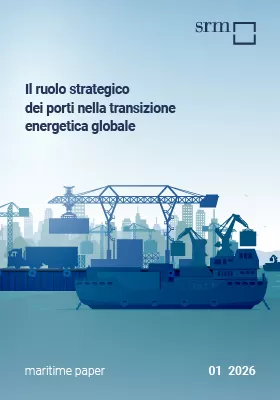


Il paper approfondisce il ruolo sempre più strategico dei porti nella transizione energetica globale, in un contesto segnato da instabilità geopolitiche, mutamenti nelle rotte marittime e crescente attenzione alla sostenibilità. Gli eventi disruptive degli ultimi anni – dai conflitti internazionali alle tensioni nei principali chokepoint come Hormuz, Suez e Bab el-Mandeb – hanno imposto una riorganizzazione dei flussi energetici mondiali, evidenziando la vulnerabilità delle supply chain e la necessità di infrastrutture portuali resilienti e innovative.
In questo scenario, i porti del Mediterraneo stanno assumendo un ruolo centrale come hub energetici multifunzionali, capaci di coniugare logistica, distribuzione e nuove tecnologie per la decarbonizzazione. La crescente diversificazione delle fonti energetiche europee, insieme allo sviluppo di terminali GNL, e alla diffusione di carburanti alternativi e sistemi digitalizzati, sta trasformando il bacino in una piattaforma strategica per petrolio, gas e nuove energie low-carbon.
All’interno di questo nuovo equilibrio, l’Italia emerge come cerniera naturale tra le aree produttrici e il mercato europeo. I suoi principali scali – da Trieste ad Augusta, da Napoli a Porto Levante – si posizionano come punti chiave per l’approvvigionamento, la trasformazione e la distribuzione dell’energia, integrando fonti tradizionali e innovazioni legate alla transizione green. Progetti dedicati alle rinnovabili, all’idrogeno verde, al cold ironing e alle comunità energetiche confermano il potenziale dei porti italiani come motori di sostenibilità, competitività e sicurezza energetica nel Mediterraneo del futuro.

.png)









© Copyright 2021- SRM - Centro Studi e Ricerche - P.iva 04514401217
© Copyright 2021- SRM services - P.Iva/C.F.: 09117291212 - Privacy Policy
Powered by


Ti stiamo reindirizzando su

